
Classic vs Repostero Dulce de Leche: What's the Difference?
Category Explainer
Classic vs Repostero Dulce de Leche: What’s the Difference?
Not all dulce de leche is meant for the same use. Some formats are smooth, creamy, and easy to spoon, while others are thicker and designed to hold shape in pastries, cakes, and fillings. Understanding that difference helps both retailers and foodservice buyers choose the right product more confidently.
This guide explains the practical difference between classic dulce de leche and repostero-style dulce de leche, using real examples available on Pampa Global.
The short versionClassic dulce de leche is smoother, creamier, and better for spooning, spreading, or direct eating. It works well for pantry retail, toast, desserts, and shoppers looking for an everyday indulgent product. Repostero dulce de leche is thicker and more stable. It is designed for baking, pastry work, fillings, piping, and applications where the product needs to stay in place rather than melt into the recipe. That distinction matters most for:
|
Quick Summary Main distinction: spoonable vs pastry-ready Classic use: pantry, table use, everyday desserts Repostero use: baking, fillings, pastry, piping Best reading of the label: texture and intended use matter more than the name alone |
What “classic” dulce de leche usually means
Classic dulce de leche is the format most shoppers imagine first: sweet, creamy, spreadable, and easy to enjoy directly from the container or on bread, pastries, pancakes, or desserts. It is usually better suited to everyday retail than to technical bakery work.
On Pampa Global, examples of this style include La Serenísima Classic Dulce de Leche and La Serenísima Dulce de Leche Colonial. These types help retailers build a sweet pantry section that feels familiar and easy to understand.
What “repostero” dulce de leche usually means
Repostero dulce de leche is formulated for pastry and bakery use. It is usually thicker, less likely to run, and better at holding shape inside cakes, alfajores, pastries, and piped desserts. That makes it much more practical for foodservice and production environments.
Real examples on Pampa Global include La Serenísima Repostero, Vacalin Repostería, and other bakery-oriented formats that clearly signal confectionery or pastry use in the product name itself.
Side-by-side product examples
The easiest way to understand the difference is to look at products that occupy each side of the category.
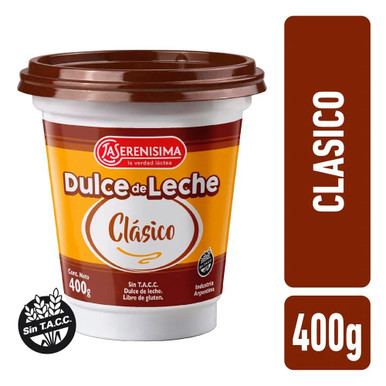


How buyers should think about the choice
- If the product is for shelves and direct consumer use, start with classic.
- If the product is for bakery or filling applications, start with repostero.
- If the assortment serves both retail and pastry channels, carry both.
This distinction is especially important for wholesale buyers because the wrong texture creates confusion. A product that spreads beautifully may not hold its shape in pastry work. A product that performs well in a bakery may feel too thick for the shopper who simply wants something spoonable and easy to enjoy at home.
A quick buyer framework
| Buyer need | Better fit |
| Everyday retail shelf | Classic or Colonial dulce de leche |
| Bakery fillings and pastry work | Repostero / Repostería |
| Large-format production use | Bulk confectioner or pastry formats like Vacalin Repostería |
| Consumer gifting or indulgent pantry | Classic, Colonial, or premium retail-facing dulce de leche |
Frequently asked questions
Can I use classic dulce de leche in baking?
Yes, but it may be softer or less stable than a repostero product in fillings, layered pastries, or piped desserts.
Does “repostero” always mean better quality?
No. It usually means a different function, especially a thicker texture designed for pastry and confectionery use.
Should retailers stock both styles?
If they serve both home dessert shoppers and more food-focused or baking-oriented customers, carrying both styles can make the category clearer and more useful.
Explore the category
Explore dulce de leche formats on Pampa Global
Buyers who want to understand the difference in practice can compare classic, creamy, and repostero-style products side by side.
La Serenísima Classic | La Serenísima Colonial | La Serenísima Repostero
Recent Posts
-
How to Build an Argentine Seasonings Set for Retail and Foodservice
B2B Buying Guide A strong Argentine seasonings set does not need dozens of similar spice …13th May 2026 -
What Makes a Sweet Snack Feel Premium Without Feeling Too Niche?
Category Explainer A sweet snack does not need to feel obscure or intimidating to feel p …13th May 2026 -
Why Ritual-Driven Beverages Still Matter in 2026
Retail Trend Guide Not every beverage trend is about speed, stimulation, or exaggerated …12th May 2026