
Why Texture-First Sweets and Snacks Are Winning in 2026
Retail Trend Guide
A big part of snack discovery now happens visually before it happens by flavor. Products that show crunch, layers, fillings, contrast, or a more obvious sense of indulgence tend to feel more memorable and easier to justify as a treat.
For retailers, that means the strongest sweets are often the ones that communicate value quickly through texture and structure, not only through packaging or flavor names.
Why texture matters more right now
A sweet that looks soft, filled, layered, coated, or breakable communicates reward faster than one that reads flat or generic. That does not mean flavor stops mattering. It means texture becomes part of how shoppers judge whether a treat feels worth trying.
This is especially useful in imported sweets, where visual clarity helps reduce friction. A shopper may not know every product name, but they can still understand a chocolate-coated alfajor, a creamy dulce de leche, or a dessert-linked cookie at a glance.
At a glance
Trend signal: visible texture increases perceived value
Best fit: premium sweets, gifting, and discovery shelves
Strong formats: layered, filled, coated, crunchy-soft contrast
Retail takeaway: show the product payoff clearly
Three product types that fit the trend
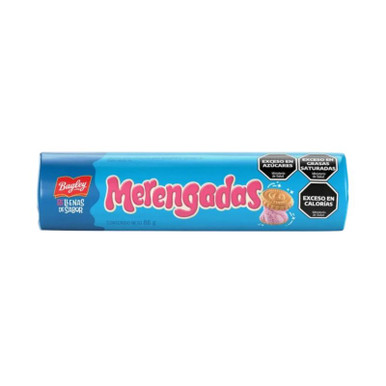
| Filled sandwich cookies Contrast between shell and filling makes the payoff easier to imagine |
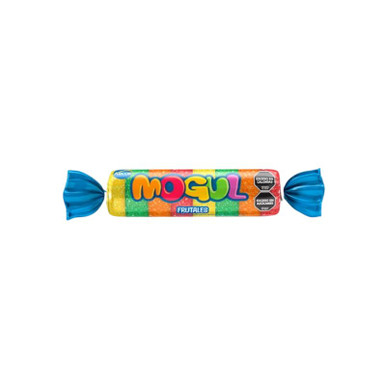
Gummies and jelly formats Shape, color, and chewiness read immediately in both shelves and photos |
Candy-coated chocolates Crunch and color make the texture story fast and visually legible |
Products that communicate texture well

How retailers can use this insight
- Lead with one obviously tactile format. Filled cookies, gummies, or crunchy candy formats help the shelf read faster.
- Mix chewiness, crunch, and filling contrast. Different texture cues make the assortment feel more dynamic without overcomplicating it.
- Use texture to support discovery. Products with clearer visual payoff often work better for impulse, gifting, and social-friendly retail moments.
Frequently asked questions
Does texture matter more than flavor now?
Not more than flavor, but it has become a bigger part of perceived quality and emotional appeal.
What products benefit most from this trend?
Filled, chewy, crunchy, and candy-coated products tend to benefit most because their structure communicates value clearly.
Is this only relevant for premium retail?
No. It also helps mainstream shelves because better visual payoff can improve impulse and discovery behavior.
Explore the category
Explore texture-forward sweets on Pampa Global
Retailers building a stronger discovery shelf can start with filled cookies, gummies, and candy-coated chocolates that signal texture quickly.
Recent Posts
-
How to Build an Argentine Seasonings Set for Retail and Foodservice
B2B Buying Guide A strong Argentine seasonings set does not need dozens of similar spice …13th May 2026 -
What Makes a Sweet Snack Feel Premium Without Feeling Too Niche?
Category Explainer A sweet snack does not need to feel obscure or intimidating to feel p …13th May 2026 -
Why Ritual-Driven Beverages Still Matter in 2026
Retail Trend Guide Not every beverage trend is about speed, stimulation, or exaggerated …12th May 2026